What researchers mean by the gut-eye axis
The term describes possible relationships among the gut microbiome, intestinal barrier function, immune signaling, metabolism and ocular tissues. Researchers are investigating these pathways in several eye conditions, but the field includes animal studies, observational work, mechanistic research and early human studies with very different levels of certainty.
Why the concept is attractive in supplement marketing
A multi-ingredient supplement can connect antioxidants, polyphenols and botanicals to a broader “system” story. That story may be biologically plausible without demonstrating that the finished product changes a meaningful clinical outcome.
How to evaluate a gut-eye claim
- Ask whether the evidence is in humans with the same condition or only in cells/animals.
- Check whether the exact ingredient dose and formulation match the commercial product.
- Separate changes in biomarkers from improvements in vision or disease progression.
- Look for controlled product-level trials rather than ingredient-level extrapolation.
Where VisiFlora fits
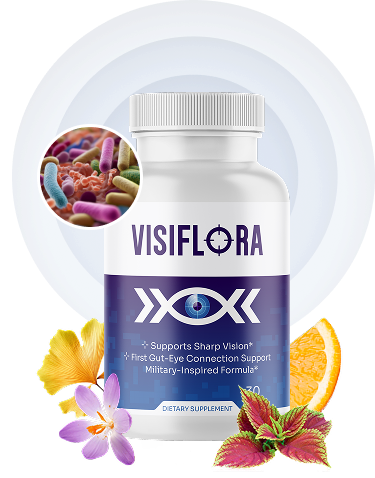
VisiFlora’s merchant frames the product around a gut-eye connection and includes several botanicals and antioxidant compounds in a proprietary blend. The label verifies those ingredients are listed, but the exact blend doses are not disclosed and the merchant’s mechanism should not be treated as established clinical efficacy.