What are lutein and zeaxanthin?
Lutein and zeaxanthin are carotenoids found in the retina and lens. They are concentrated in macular pigment and can absorb high-energy visible light. They also have antioxidant roles.
What AREDS2 actually tells us
AREDS2 tested lutein at 10 mg and zeaxanthin at 2 mg as part of a larger antioxidant-and-zinc formula in people with intermediate or advanced AMD risk. Secondary analyses supported replacing beta-carotene with lutein and zeaxanthin, especially because of beta-carotene concerns in smokers and former smokers.
That does not mean any supplement containing lutein and zeaxanthin reproduces the AREDS2 outcome. The dose, companion nutrients and patient population matter.
Why dose transparency matters
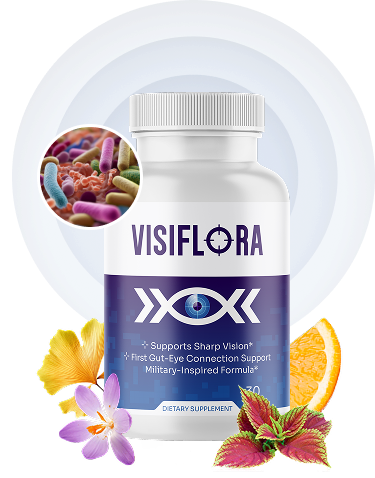
If a product lists lutein and zeaxanthin but hides their individual amounts inside a proprietary blend, you cannot compare the label directly with a trial that specifies exact doses. This is one of the clearest differences between VisiFlora and products that disclose carotenoid amounts.
Food still matters
Lutein and zeaxanthin occur naturally in foods, especially leafy greens and certain colorful vegetables. Supplements do not replace a balanced diet, routine eye exams or condition-specific treatment.