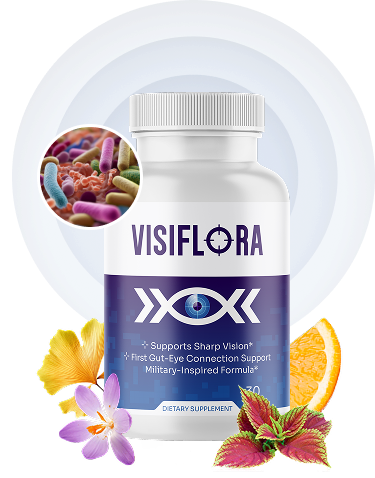
VisiFlora and SightCare are both marketed as multi-ingredient vision-support supplements rather than strict AREDS2 formulas. Their published ingredient structures differ enough that “which has more ingredients?” is less useful than asking which doses are disclosed and what evidence applies to the exact finished formula.
| Feature | VisiFlora | Comparator |
|---|---|---|
| Format | 1 capsule daily; 30 servings per bottle | Official page describes 60 herbal-based capsules |
| Disclosed structure | 7 exact nutrient amounts + 14 ingredients in a 351 mg blend | Official ingredient page lists individual amounts for several featured actives |
| Alpha lipoic acid | Inside 351 mg blend; exact amount not disclosed | 100 mg on official ingredient page |
| Quercetin | Inside 351 mg blend; exact amount not disclosed | 100 mg on official ingredient page |
| Lycopene | Inside 351 mg blend; exact amount not disclosed | 50 mg of lycopene 10% listed on official ingredient page |
| Vitamin E | 15 mg | 50 mg listed on official ingredient page |
| Lutein / zeaxanthin | Named in blend; exact amounts not disclosed | Not the primary disclosed pair on the ingredient page reviewed |
Both require product-level caution
Ingredient research cannot be converted automatically into a promise that a finished supplement improves a symptom or disease. Both brands use broad marketing language, so label verification and clinical context matter more than promotional mechanisms.
Transparency is not identical
VisiFlora gives exact doses for its vitamin/mineral layer but not its 14-ingredient blend. SightCare’s ingredient page publishes exact amounts for several named actives. That does not prove superior effectiveness, but it makes some ingredient-by-ingredient comparisons easier.
Comparison sources: current VisiFlora label; official SightCare ingredient page and homepage. Checked September 21, 2026. Product pages can change.